
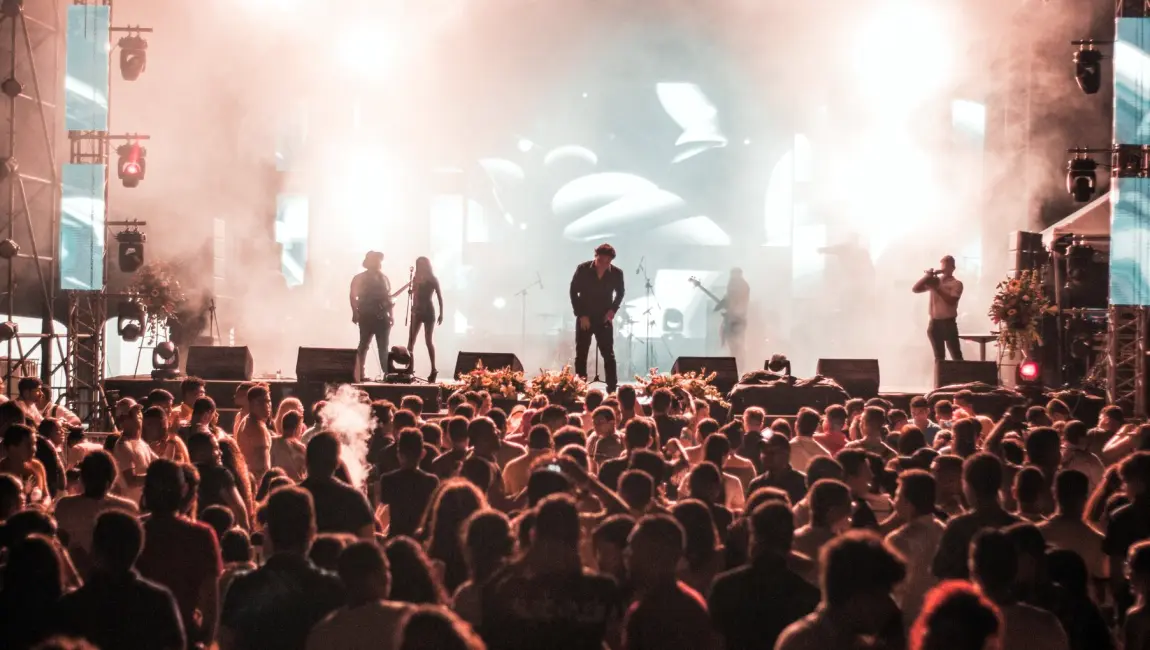
Treating load-in as a formality
The commonest mistake I see is a load-in that has been given an hour on the schedule because nobody sat down and counted what has to move. Trucks arrive in the wrong order, the lighting truss goes up after the video wall has already blocked the floor, and the sound team waits with their racks in a corridor. By mid afternoon the whole day is running behind and every department is quietly cutting its own checks to catch up.
The fix is dull but effective. Before anyone travels, write down the order in which each department needs the space, who has the floor at each hour, and where cases sit while they wait. Ask the venue about lift sizes, loading bay times and floor loading. A short load-in plan, agreed by every team lead in writing, saves far more time than it takes to draw up, and it gives you something to point at when the day gets tight.
- Agree the order of arrival for video, audio and lighting before the trucks are booked
- Confirm bay access times and lift dimensions with the venue
- Mark case staging areas on the floor plan
Letting each department work from a different plan
On a live event the video, audio and lighting teams often arrive with their own paperwork, and nobody has checked that the three agree. The lighting plot assumes a stage height that the staging firm has since changed, or the sound team has planned a delay speaker position where a camera platform now sits. These clashes only surface when people are standing in the room, which is the most expensive moment to discover them.
One person should own the master plan and circulate every revision to all teams with a clear version number. Old copies are withdrawn, not left in inboxes. When a change touches more than one department, the owner speaks to each lead directly instead of trusting an email to be read. It sounds fussy, but a single current plan is the cheapest piece of equipment on any production.
Skipping the walk-through with the people who run the show
Technical rehearsals often focus on equipment and leave out the people who will stand on stage. Speakers, presenters and performers are brought in at the last minute, handed a microphone and asked to carry on. Then a presenter turns out to need a different cue, a lectern light throws a shadow on their face, or a camera operator has no idea which way a band will enter.
Build a proper walk-through into the schedule, even a short one, with the real running order and the real people. Cues are spoken aloud, positions are marked, and each department says what it needs to see or hear to make its move. Twenty minutes spent this way catches problems that no equipment check will find, and it leaves performers calmer, which shows in the room.
- Run the actual order of the show, not a tidied version
- Mark positions and entrances for presenters and performers
- Let each department state its cue out loud
Under-planning power, cabling and signal paths
Power and cable runs are rarely exciting, so they are rarely planned properly. A rig is designed around the gear and then someone discovers the venue has two usable sockets at the far end of the hall, or that audio lines are running alongside lighting cables and picking up hum. Long runs get improvised, tape goes down across walkways, and a fault later becomes very hard to trace.
Ask for the venue's power details early and draw the cable routes on the plan, keeping audio, video and mains apart where you can. Label both ends of every run. Keep a short written signal flow so that when something drops out in the middle of a show, whoever is on duty can follow the path instead of guessing. Neat, labelled cabling is a sign of a team that expects things to go wrong and has made that easy to fix.
Having no plan for when something goes wrong
Every event has a moment when something fails: a radio microphone dies, a laptop freezes, a dimmer trips. Teams that have never discussed this tend to freeze with it. People look at each other, someone starts fixing the wrong thing, and the audience sees the pause longer than they should.
Agree beforehand who calls a problem, who is allowed to act, and what the simple fallback is for each critical item. A spare microphone already patched, a second playback source, a clear signal to the lighting operator to hold a safe look. Keep these notes short enough to read at a glance. You will not use most of them, but the day you do, a calm, rehearsed response keeps a small fault from becoming a visible one.
- Name one person who calls problems during the show
- Keep spare microphones and playback ready and patched
- Write fallbacks in a single page near the control position
Forgetting the handover and the finish
The end of an event gets less attention than the start, and that is where kit goes missing and damage goes unrecorded. Crews are tired, cases are packed in a rush, and nobody notes which items belong to which supplier. Weeks later a disagreement about a missing cable or a cracked lens has nothing written to settle it.
Plan the get-out with the same care as the load-in. Assign someone to check cases against a list, photograph anything damaged, and gather the notes each department wants to keep. A short written handover afterwards, covering what worked, what did not and what to change next time, turns one event into useful experience for the next. It also leaves the client with a clear record rather than a vague memory of a good night.
Most live event problems are not technical failures but gaps between people: unclear order, mismatched plans, unrehearsed cues and a rushed finish. The remedy is ordinary planning written down and shared early. If you are preparing a concert, festival or corporate evening in these autumn weeks, start with the load-in order and a single master plan, and let everything else follow from them.
Keep reading
Helen Marsh
Founder and Head of ProductionHelen has worked in studio and live production for over twenty years. She leads project planning and client work.