
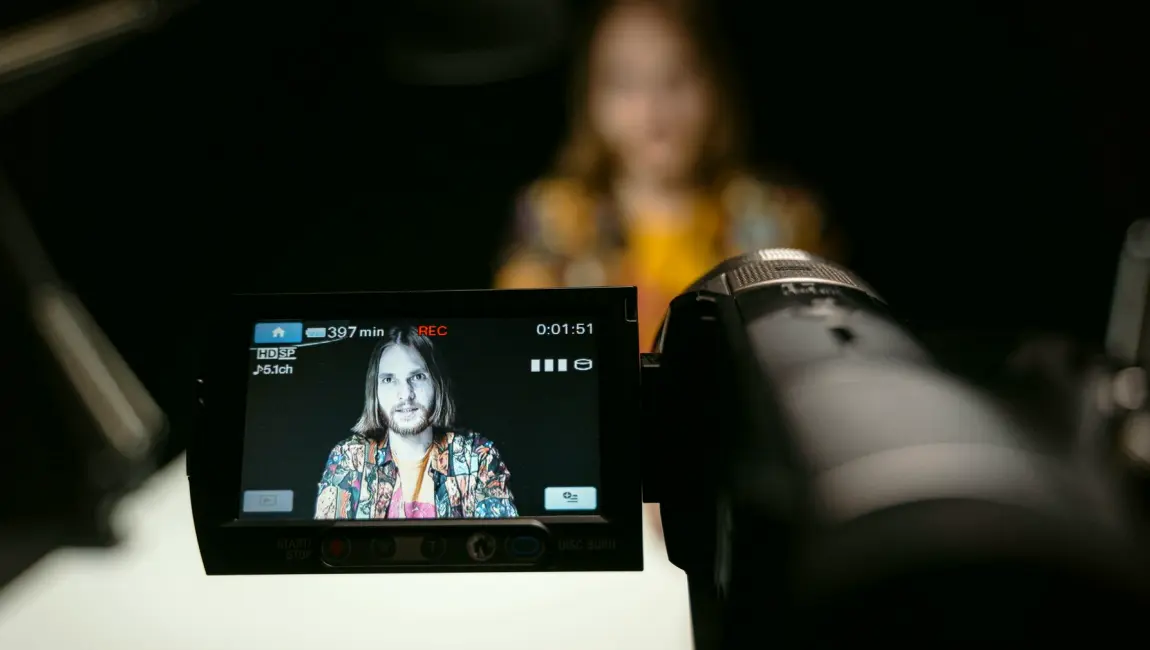
Start with the room and the audience
Before anyone talks about desks or speakers, settle where the sound will be heard. A village hall with a hard floor and high ceiling behaves very differently from a carpeted function room or a marquee on a field. Write down the approximate size, the shape, the surfaces and where people will stand or sit. Note whether there is a balcony, a pillar in the middle or a low stage that hides the front rows from the speakers.
Then decide who the sound is for. A live audience, a camera crew, a recording and an online stream each need something different from the same performance. A mix that sounds exciting in a room can be too loud and too bassy for a broadcast feed, so say early which listeners matter most. If more than one matters, ask whether they need separate mixes.
- Approximate room size, shape and surfaces
- Expected audience numbers and where they will be
- Who the sound is for: room, recording, stream or all three
List every sound source on the day
A microphone plan begins with a plain list of what will make noise. Count speakers, singers, instruments, playback devices and any laptops or video feeds that carry audio. For bands, note which instruments are amplified already, because a guitar amp on stage may need a microphone or may simply be left alone. Spoken events need a different list: lectern, handheld microphones, panel seats and audience questions.
Be honest about the unknowns. If a guest speaker might bring their own presentation, or a support act has not confirmed its line-up, tell the engineer now rather than at load-in. A good plan has spare inputs and a few extra microphones in reserve, and it is far cheaper to agree that margin in advance than to improvise it while the doors are opening.
- Number of speakers, singers and instruments
- Playback sources such as laptops and video feeds
- Any unconfirmed acts or guests that need spare inputs
Decide who needs to hear what
Front-of-house mixing serves the audience, but performers have their own needs. Monitor mixing gives each musician or speaker the sound they require to stay in time and in tune, whether through wedges on the floor or in-ear systems. Ask each performer, or whoever represents them, what they usually want to hear. A singer who cannot hear themselves will push harder, and the whole room pays for it.
Think too about people who are easy to forget: a presenter who needs the audience's questions fed back, a signer or host who needs a clean cue from the producer, a camera operator who benefits from talkback. Each extra mix adds equipment and a little set-up time, so decide which ones are essential and which are comfortable extras before the quote is written.
- Stage monitors or in-ear systems for performers
- Talkback for the producer, host or camera crew
- Which extra mixes are essential and which are optional
Ask what the sound check will cover
A sound check is more than turning the microphones on. It should confirm that every input arrives, that each microphone is placed to avoid feedback, and that levels have headroom for the loudest moment, not just the average one. Ask how long the engineer wants, and whether they expect performers to be present. A check with stand-ins gets the system ready but cannot replace a few minutes with the real voices and instruments.
Recorded broadcasts add a second job: listening on headphones or through the monitoring chain the recording will use, not only through the room speakers. Agree who gives the final approval and when the stage is handed back to the crew. If doors open at a fixed time, work backwards from it and leave a quiet gap after the check so nothing is rushed.
- Time needed and who must attend the check
- Feedback control and headroom for loud moments
- Listening on the broadcast monitoring chain as well as the room
Check power, cabling and the practical limits
Audio fails for dull reasons more often than clever ones. Ask where power comes from, whether it is shared with lighting or catering, and how far the mixing position is from the stage. Long cable runs need planning, and anything crossing a walkway needs covering or rerouting. A mixing position at the back of the room also has to be somewhere the engineer can hear properly, not tucked behind a bar or under a balcony.
Think about the building too. Venues may have noise limits, curfews or a house system that has to be used. Find out early, because a limit changes how the mix is built. Finally, ask what happens if a microphone, cable or channel fails mid-show. A sensible plan carries spares and a simple fallback so the event carries on while the fault is fixed.
- Power supply, cable routes and mixing position
- Venue noise limits, curfews and any house system
- Spare microphones, cables and a fallback plan
Settle the paperwork before the day
Once the practical questions are answered, put them in writing. A short run sheet should list arrival times, the order of acts or speakers, the sound check slot and the person who makes decisions on site. Share it with the venue, the performers and any video or lighting teams, so that everyone works from the same plan rather than from separate memories of a phone call.
Ask for a written quotation that says what is included: equipment, engineer time, set-up, the sound check and any travel. Check what changes the price, such as extra inputs, a longer day or additional mixes, so there are no surprises later. With the room, sources, mixes, check and limits all agreed on paper, you can decide with confidence whether live sound engineering is what the event needs.
- A run sheet with times, order and a named decision-maker
- A written quotation listing what is and is not included
- The factors that would change the price
No checklist replaces a conversation, but working through these points first makes that conversation shorter and more useful. If you can describe the room, list the sources, say who needs which mix and name the limits, an engineer can give you a straight answer on what the event requires. Send us the details through the contact page and we will reply with questions of our own.
Keep reading
Helen Marsh
Founder and Head of ProductionHelen has worked in studio and live production for over twenty years. She leads project planning and client work.