
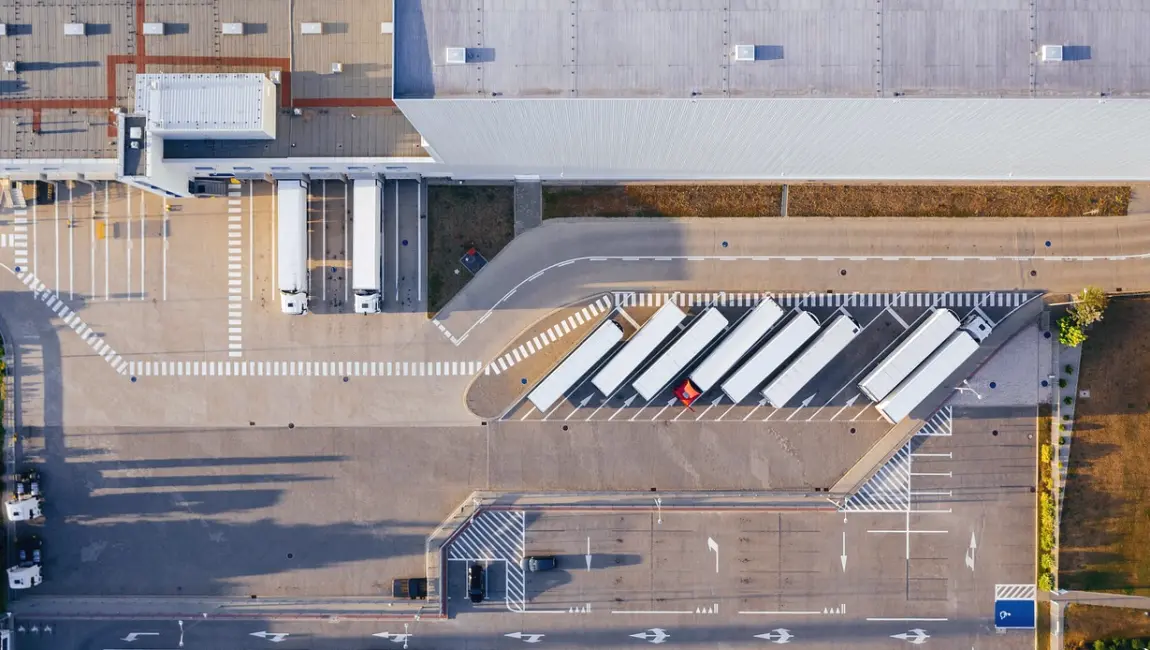
The day starts before anyone arrives
By the time the first van pulls up, most of the day's real decisions have been made. I am Tom, and on event days I look after the camera side, but I sit in the same planning conversation as sound and lighting well before load-in. We agree who needs power where, which cable routes cross the audience area, and which department gets the stage first. Without that, three capable teams can spend the morning waiting for each other.
The document that holds this together is a single run sheet. It lists arrival times, venue access, the order of the build, the sound check slot and the doors time. It is short enough to read on a phone and specific enough to settle arguments. Each head of department gets the same copy, so nobody works from an older version pinned to a wall.
On the morning itself, I like to walk the room before unloading anything. Seeing the loading door, the stairs, the floor surface and the sightlines usually changes one or two small plans, and it is far cheaper to change them while the cases are still on the van.
- One run sheet shared with every department
- Venue walk before the first case comes off the van
- Power and cable routes agreed in advance
Sharing the room during the build
The build is where the three departments meet physically. Lighting usually needs height and clear floor first, because truss and rigging points cannot share space with people carrying speaker stacks. Sound follows, then cameras and their cabling. We rarely get this order handed to us by the venue, so we propose it and check that everyone is comfortable with it.
A rule I rely on is that nobody leaves a cable run unlabelled. Every feed gets a tag at both ends saying what it is and where it goes. It feels slow in the first hour and saves a great deal of guessing later, particularly when someone from another department has to trace a fault in the dark while the doors are open.
We also agree one person who calls the build. On a small job that may be Helen, our head of production; on a larger one it is whoever holds the schedule. Having a single voice does not remove anyone's expertise, it simply stops two people giving opposite instructions to the same volunteer.
- Rigging and lighting first, then audio, then cameras
- Labels at both ends of every cable
- A single person calling the build order
The sound check is a shared rehearsal
Many organisers treat the sound check as an audio matter only. In practice it is the first time all three systems run together, and it tells us things none of us can learn alone. A lighting state that looks fine to the eye may flare on camera; a microphone position that suits the mix may sit in a camera's shot.
So I stay for it, and so does the lighting designer when the job allows. While Daniel works through the microphones with the performers, I watch the monitors and note anything that will bother a viewer: a stand in front of a face, a bright practical lamp, a reflective surface behind the singer. We pass these notes along calmly and quickly, because the performers usually have a limited window.
Where the event is recorded or streamed, we also confirm what the recording feed carries. It is not always the same mix the audience hears in the room, and it is better to discover that during the check than after the show.
- Lighting checked on camera, not only by eye
- Microphone stands kept out of camera shots
- Recording feed confirmed separately from the room mix
Doors open: staying quiet and ready
Once the audience is in, the best production work is the kind nobody notices. My job during the show is mostly watching, with small adjustments to exposure and framing as the light changes. We keep talkback short, using agreed phrases so that a call takes two seconds and cannot be misheard over a loud room.
Things do go wrong, and the plan for that is made earlier. Each department knows its spare: a second radio battery, a spare cable already routed, a backup microphone on the stand. When a fault appears, the person nearest the problem deals with it and tells the production lead afterwards rather than opening a debate during the show.
The most useful habit I have seen in a good crew is calm. Raised voices make everyone slower. We would rather say the same sentence twice, quietly, than say it once loudly and watch three people turn the wrong way.
Corporate parties and concerts differ here only in rhythm. A speech-heavy evening needs steady shots and clean sound; a concert needs faster calls. The discipline underneath is the same.
- Short, agreed talkback phrases
- Spares pre-routed in each department
- Faults handled nearest the problem, reported afterwards
The strike and the handover
The show ending is not the end of the work. Strike is where equipment gets damaged and items get left behind, because everyone is tired and the venue wants its floor back. We pack in roughly the reverse of the build, with each department counting its own cases against a list before anything goes on the van.
Cables are coiled the same way every time, over and under, so the next crew can pull one out without tangles. It sounds fussy, but a knotted cable on the next job costs minutes at exactly the wrong moment. Anything that failed during the day gets tagged and set apart, not mixed back into working stock.
Before leaving the venue, the production lead walks the room with the organiser and confirms nothing is left behind and nothing has been marked or damaged. A few minutes there prevents long messages afterwards, and it leaves a good last impression.
- Cases counted against a list before loading
- Cables coiled the same way every time
- Faulty items tagged and kept separate
What we write down afterwards
In the days after an event, we write up a short note for the client and for ourselves. It records what ran to time, what overran, which fault appeared and how it was solved, and what we would change next time. We keep it plain and factual, with no attempt to make the day sound smoother than it was.
These notes feed straight into the next run sheet. A venue whose loading door was too narrow gets a longer build allowance the following year; a dressing room that doubled as a cable store gets a different arrangement. Over time the notes build a picture of each venue that no single person has to remember.
If you are planning an event and wonder what to prepare, the most useful things are the venue's access times, the expected running order and a contact who can make decisions on the day. With those three, the rest of the plan has a firm base.
- A short factual note after each event
- Venue lessons carried into the next run sheet
- Access times, running order and a decision-maker named
A live event looks like a single performance from the audience, but behind it sits a sequence of small agreements between departments: one run sheet, a clear build order, a shared sound check, calm talkback and a careful strike. None of it is glamorous, and all of it is learnable. When those habits are in place, the crew can give its attention to the show rather than to the problems of the day.
Keep reading

Tom Harding
Camera Systems TechnicianTom configures camera control and vision mixing set-ups and trains crews to run them confidently.