newstfy Mon-Fri 8:30-17:3001243 786421
newstfy
Broadcast and live event production

Clear pictures, clean sound and workflows your crew can follow

We plan studio layouts, camera control, lighting and sound for broadcast studios and live events, then write up the run sheets that keep every department on the same page.

What we do

Six areas of audiovisual work, planned around your crew

newstfy covers the technical side of a show from the first floor plan to the last handover note. Studio design, camera control, lighting, live sound, event coordination and workflow planning can be taken separately or combined, depending on what your production needs and how large your team is.

  • Broadcast Studio Design

    Floor plans, set layouts and equipment racks for television and online studios, drawn up around how your crew actually works.

  • Camera Control Systems

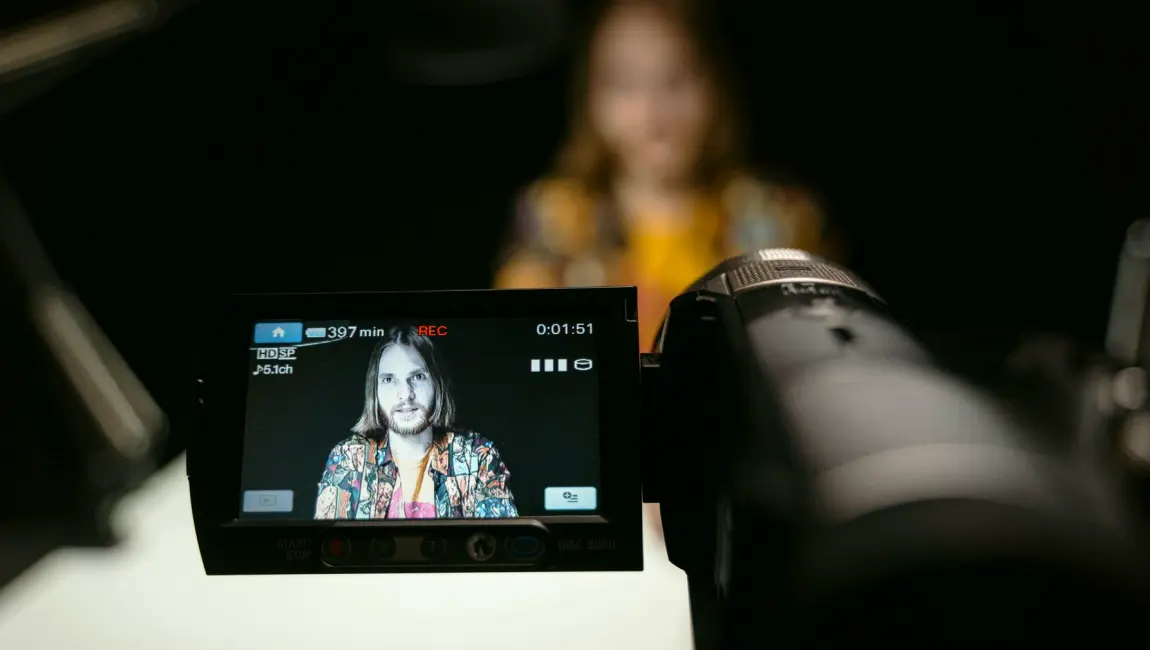
    Remote camera heads, vision mixing and control panels configured so a small crew can run a multi-camera show.

  • Stage and Studio Lighting

    Lighting plots and rigging plans for studio sets, concerts and festival stages, balanced for camera and audience.

  • Live Sound Engineering

    Front-of-house and monitor mixing, microphone planning and sound checks for live events and recorded broadcasts.

  • Live Event Production

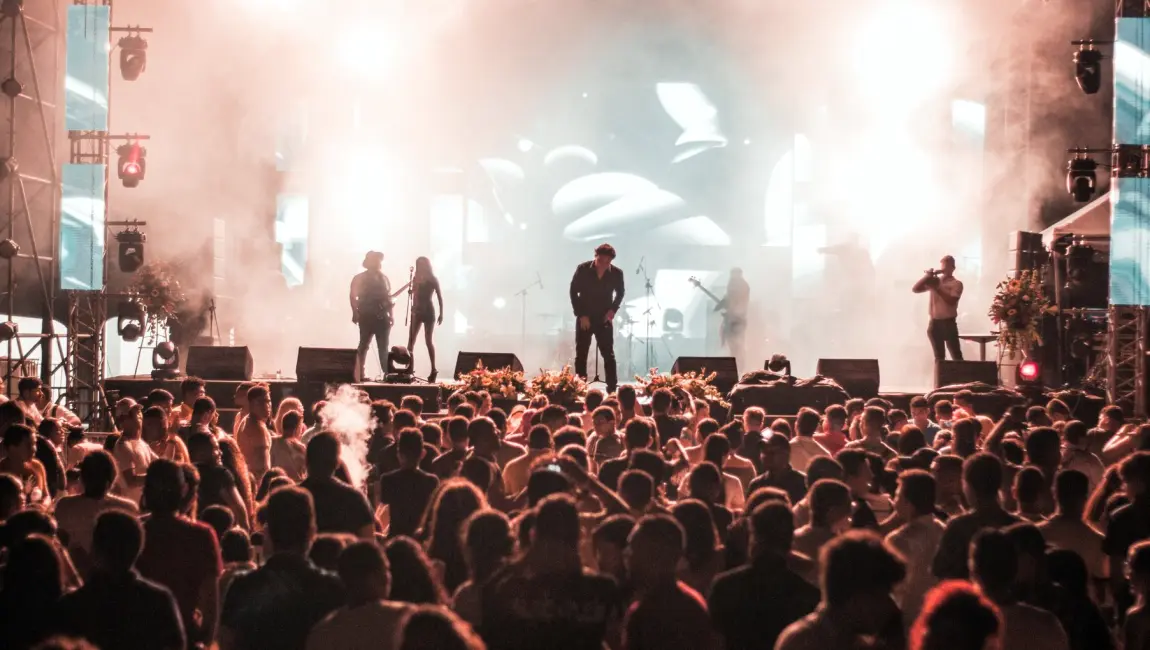
    Coordinating video, audio and lighting teams for concerts, festivals and corporate parties from load-in to finish.

  • Workflow Planning

    Written run sheets, signal flow diagrams and handover notes that keep every department working from the same plan.

Tell us what you already have in place and where the gaps are. We will describe which parts of the work are worth taking on and which you can safely keep in-house.

Services

How we approach every job

  1. Clarity

    Signal paths, cue sheets and rack layouts are drawn so that someone new can read them. If a plan needs a long explanation to be understood, we simplify it before it reaches your crew.

  2. Reliability

    We check cabling, backups and power before the doors open or the cameras roll. Plans include a fallback for the parts most likely to fail, and we agree who decides when something does.

  3. Craft

    Careful microphone placement, lighting that reads well on camera and tidy racks are small details that add up. We take time over them because audiences and viewers notice when they are missing.

How a project runs

From first conversation to a show that runs smoothly

Most projects begin with a conversation about what you are producing, who is working on it and what has gone wrong in the past. We ask about the space, the number of cameras and microphones, the people who will operate them and the time available to set up. That gives us enough to say what is realistic.

Next comes a written proposal. It sets out the scope, the equipment involved, who from our side will take part and what we need from you. If a site visit would help, we arrange one before anything is fixed, because a room often looks different from its floor plan.

Design work follows: floor plans, lighting plots, audio chains and signal flow diagrams. We share drafts early so that your crew can question them while changes are still easy to make. Hand-drawn sketches are fine at this stage; polish comes later.

On the day, we work to a run sheet that every department has seen. Sound checks, camera line-ups and lighting cues are timed in advance, and the sheet records who calls each change. If something shifts, the sheet is updated and shared rather than passed on by word of mouth.

Afterwards, we leave handover notes covering how the system was set up, what was changed during the job and what to check before next time. Smaller crews often use these notes to run later shows without us, which is usually the point.

Choosing a route

Studio design project or live event production

Some clients need a space that works week after week; others need a one-off show to go well. The two routes overlap, but the planning differs, and it helps to know which one you are really asking for.

Broadcast Studio Design

Main aim
A permanent or semi-permanent studio that a regular crew can run efficiently
Planning focus
Floor plans, set layout, equipment racks and cable routes
Our involvement
Mostly before the studio opens, with training and handover afterwards
What you keep
A documented studio your own team operates day to day
Typical clients
Online broadcasters, production teams and studio managers

Live Event Production

Main aim
One show or festival day delivered on time with video, audio and lighting teams in step
Planning focus
Load-in schedules, run sheets, crew calls and show-day contingencies
Our involvement
Mostly on site from load-in to finish, with planning beforehand
What you keep
Show notes and a record of what worked for any future event
Typical clients
Organisers of concerts, festivals and corporate parties

Many clients need a little of both, for example a studio that also hosts live audiences. Describe your plans and we will suggest where to begin.

Questions we are often asked

These are the practical points most producers and organisers raise before getting in touch. If yours is not here, the contact page is the quickest way to ask.

Do you only work with large broadcasters?

No. Many of our clients are small production teams, online studios and event organisers with a handful of crew. The designs are scaled to the people who will run them, so a three-person crew gets a set-up three people can manage, not one that needs a full gallery.

Can you work with equipment we already own?

Yes, and we usually prefer to. We start by listing what you have, check what still suits your plans and say plainly what needs replacing. Where new equipment is needed, we explain why and leave the purchasing decision with you.

Do you provide the crew on the day?

For live events we coordinate video, audio and lighting teams, and our own engineers and technicians can take part. The exact make-up of the crew depends on the show and is agreed in the written proposal before work begins.

Where do you work?

We are based in Chichester and work with studios and venues across the south of England and further afield when the job calls for it. Travel and any overnight stays are discussed during scoping and shown in the quotation.

How do I get a price?

Send an enquiry through the contact page describing the job. We reply with questions if needed, then send a written quotation. The prices page explains what each service includes and what can change the figure.

What do you need from us before starting?

Useful items include venue plans or photographs, a list of existing equipment, the number of cameras and microphones you expect, the show format and any dates already fixed. Missing details are not a problem; we can gather them together.

Will our crew be trained to use the set-up?

Camera control and vision mixing set-ups come with hands-on training from our technician, so your crew can run them confidently. Written guides and handover notes support that, and we can answer follow-up questions after the job.

What happens if something changes close to the date?

Changes happen on most productions. We update the run sheet and plans, tell every department and flag anything that affects equipment or crew. Cancellations and refunds follow the payment and refund policy, which you can read before you commit.


Articles All articles
Start the conversation

Talk through your studio or event with us

Ring us or send an enquiry through the contact page. We will ask about your plans, then follow up with questions or a written quotation.

Call us directly

01243 786421

Ask for a quote